
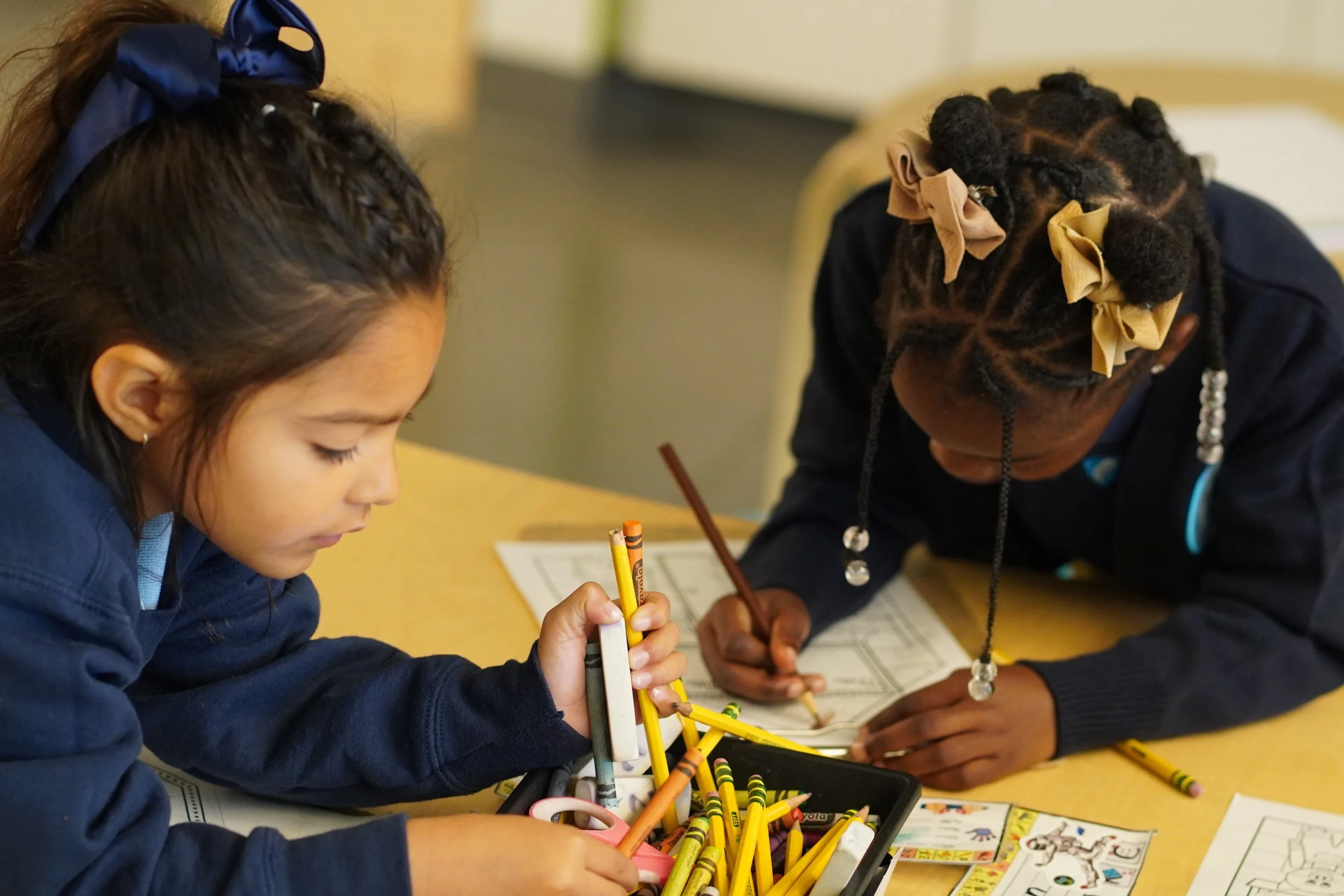
Students can learn about the same subjects in different ways. They can learn to memorize facts and figures without any outside context, or lessons can incorporate additional perspectives. One way to help expand students’ understanding of the material they are learning and the world around them is by integrating the arts into their education. Read on to learn about the different ways the arts enhance learning.
Deeper Understanding and Retention
In early learning, kinesthetic assignments are common, as students are learning how to use items like crafting supplies, crayons and pencils to create something new. As students grow older, integrating arts into their learning might look more like relating a period of history to powerful art or music that further illustrates the time period. All of these lead to a deeper understanding of core subjects, allowing students to see them from multiple perspectives.
Stronger Critical Thinking and Problem-solving
When the arts are integrated into core subjects, students are challenged to think differently. Viewing multiple perspectives leads to better critical thinking, rather than black-and-white thinking that can come from learning purely through facts and figures. This makes it easier for students to approach problems creatively and feel empowered to solve them.
Communication and Collaboration Skills
The arts are all about communication and collaboration. Arts classes encourage students to find ways to improve on their creative work, which often happens by a combination of imitation and practice. Visual art students learn to critique each other’s work in a constructive way, making each project collaborative. Music and acting students learn techniques that help them improve their crafts, then practice those to hone their skills.
Confidence, Belonging, and Student Voice
Arts classes can be humbling at first, especially when students do not feel naturally talented. However, as students see the power of practice to help them improve, their confidence often increases. With every project or performance, students work together toward similar goals, giving them a sense of accomplishment and belonging. The arts allow students to express their individuality, even in a room full of students with similar interests and skills.
Real-world Readiness
Integrating arts and education helps students learn crucial soft skills, helping them prepare for the real world. For those looking to pursue a career in the arts, classes in these subjects can give them opportunities to preview life after graduation by building portfolios, participating in exhibitions, giving performances and participating in client-style projects.
At North Tampa Christian Academy, we believe the arts are valuable to all students, whether or not they decide to pursue creative careers after graduation. Students at our Tampa private school thrive creatively, academically and spiritually in a project-based learning environment. Faculty and families work together to inspire leadership through Christian innovation. Contact us today to learn more.
