
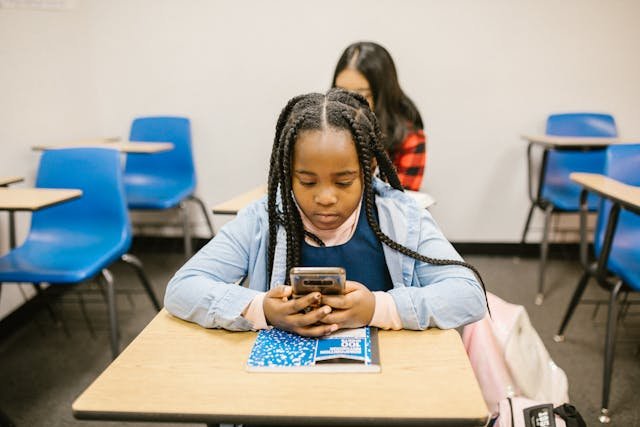
In today’s digital world, children spend a significant amount of time in online spaces. While these platforms offer incredible opportunities for learning, creativity, and connection, they also carry serious risks. For many children, one of the most serious risks is cyberbullying.
Cyberbullying is bullying that takes place over digital devices. It can happen on social media, gaming platforms, texts, or emails. Because it can happen 24/7 and often anonymously, it can feel inescapable for the victim. If you suspect your child is being targeted, knowing what steps to take is crucial for their safety and emotional well-being.
What Parents Can Do
The most important responsibility you have is to provide a safe, non-judgmental space for your child to share what they’re experiencing. Your child may be embarrassed, ashamed, or afraid of losing access to their devices if they tell you they’re being bullied online. Listen to them without judgment. Your first goal should be to reassure them you are there to help. Let them know that being bullied is never their fault, and focus on their feelings.
While tempting, immediately confiscating their device can make your child reluctant to share future problems, as often, their social life is tied to the device. You need their cooperation to gather evidence and monitor the situation. Before deleting anything, save the evidence. Capture images of posts, messages, comments, or emails. Make sure the date, time, and username of the sender are visible. Instruct your child not to retaliate or engage with the messages, even though they are painful to receive.
Once the evidence is secured, it’s time to take action on the platforms themselves. Use the settings on the app to immediately block the cyberbullies. This will cut off direct communication. Every major social media site has a reporting tool for harassment and bullying. Use this tool to officially report the content to the platform.
Informing Your Child’s School
Even if cyberbullying happens off-campus, it often affects the student’s ability to thrive at school. Inform NTCA as soon as you have documented the evidence. We take bullying very seriously and will take appropriate action to support our students. Addressing this behavior within the school community is a priority to ensure a safe environment for all students.
If the bullying has significantly impacted your child’s self-esteem or mental health, seek a qualified mental health professional to support them.
Promoting Digital Stewardship
At North Tampa Christian Academy, we emphasize that being a good steward extends to how we interact in digital spaces. To prevent future cyberbullying incidents, fostering an environment of digital stewardship is essential. Here are some things you can do to promote a positive use of technology at home:
Set clear expectations and rules about screentime, apps, and appropriate online behaviors.
Maintain an open dialogue with your child. Talk to them about what they are seeing and experiencing online, treating their digital life as seriously as their physical one.
Model good behavior. Demonstrate kindness, respect, and emotional regulation in your own online interactions.
By staying engaged and partnering with the school, we can help our children navigate the complexities of the digital world with confidence, kindness, and integrity. For more information about our Bullying Prevention Program and what you can do to help prevent bullying at our school, visit our website.