
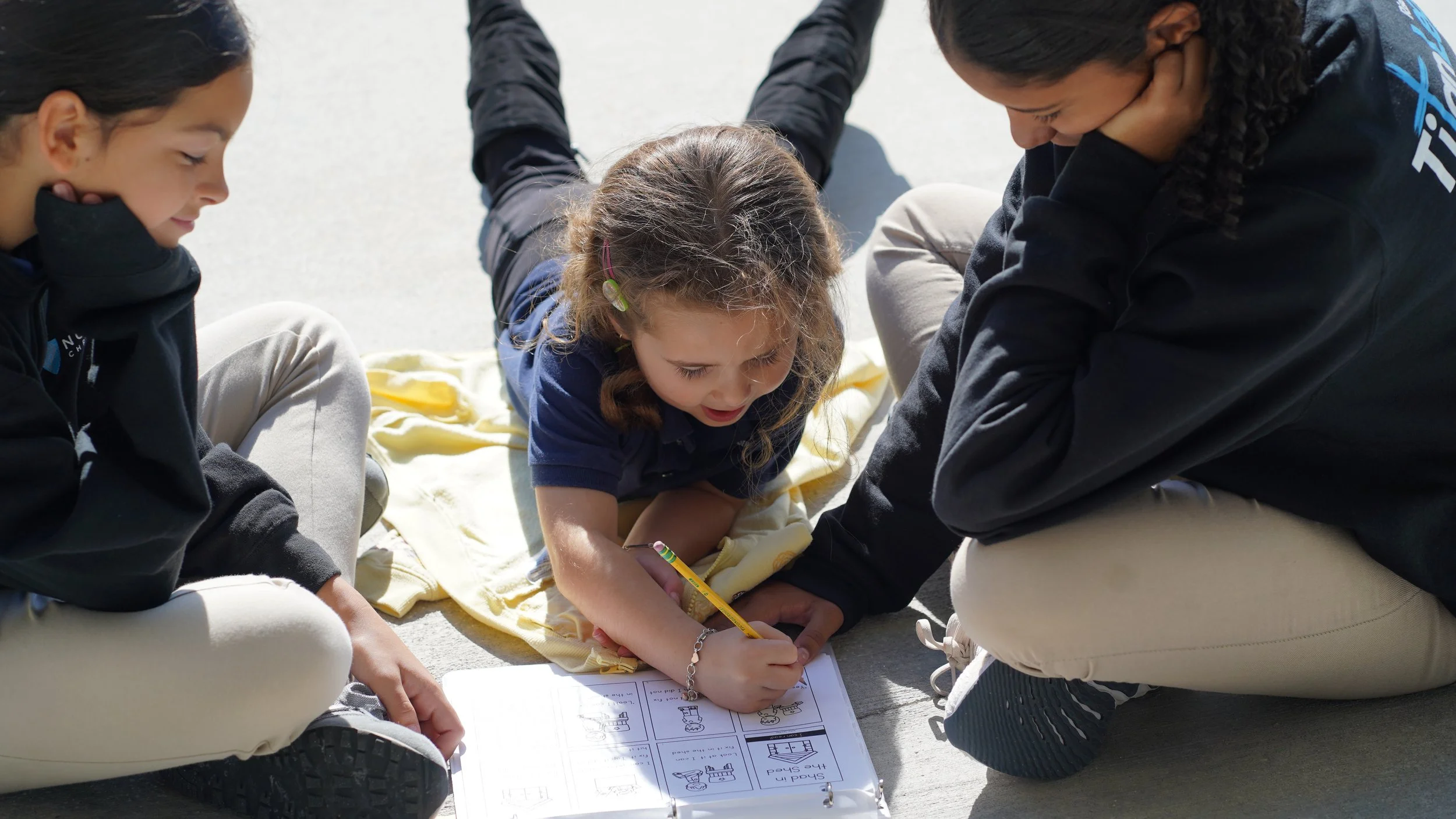
How to Set Your Child Up for Academic Success

While children are generally inquisitive and curious by nature, putting their heads down and focusing on academic success does not always come naturally. More often than not, they need their parents’ guidance, especially in subjects they don’t find relatable. Read on for some ways you can set your child up for success in any academic subject. 

Foster a Positive Attitude Toward Learning

The term “academic success” is often associated with perfect grades and aced tests. However, there’s more to it than that. For a child to succeed in academics, they need to enjoy learning. Show your child how you continue learning every day, even if you’ve been away from school for a long time. When children see that learning means being curious about the world, a love of learning can come much more naturally. This extends to their school performance. Praise them for their effort and perseverance in school, not just for getting good grades. 

Establish Effective Study Habits and Routines

Classroom habits are important, but how a child learns at home makes even more of a difference in how they view their education. Set a regular homework schedule, ensuring study and homework time is broken down into manageable chunks. Create a distraction-free environment for studying so your child can make the most of their study time. As your child’s classes become more advanced, help them set realistic academic goals. 

Communicate and Collaborate with Teachers

One important way to help your child succeed is by being part of their educational experience. Attend parent-teacher conferences whenever possible so you can stay in touch with your child’s teachers. This will help paint a clearer picture of how your child is doing in school. If your child is struggling, schedule regular check-in emails. Stay updated on classroom activities and school events so you always know what your child is learning and how you can support them. 

Provide Resources and Extra Help as Needed

In a perfect world, children would understand every academic concept the first time it’s introduced. However, this is not always the case. Sometimes, children need extra support. Identify when tutoring or counseling is needed, and empower your child by scheduling sessions for them. Help them understand that they haven’t done anything wrong and that you’re helping them get over this hurdle so they can strengthen their skills. 
At North Tampa Christian Academy, we know that learning starts at home, and we encourage parents to be involved in their child’s education. Students at our Tampa private school thrive creatively, academically and spiritually in a project-based learning environment. Faculty and families work together to inspire leadership through Christian innovation. Contact us today to learn more.


Understanding How Faith Helps Children Navigate Difficult Situations

Life can be difficult—and not only for adults. Childhood brings its own set of struggles with it, as children learn to navigate everything in life for the first time. For children with religion in their lives, faith can often help guide them through these challenges. Read on to learn about some of the ways faith contributes to building resilience. 


Faith as a Source of Comfort and Security

Belief in God and biblical teachings provides assurance to children during times of uncertainty or stress. Children can find comfort in knowing that God is there to protect and guide them at all times. This is important when life is going well, but it’s crucial in the face of adversity. When they need comfort, and they can pray for it, they can focus and trust that everything will turn out as it should. 


Biblical Principles that Guide Responses to Adversity

The Bible has plenty of guidance for those facing adversity. Some verses request prayers for comfort, like Philippians 4:6 (“Do not be anxious about anything, but in every situation, by prayer and petition, with thanksgiving, present your requests to God.”). Others remind believers that God is with them like Joshua 1:9 (“Do not be afraid; do not be discouraged, for the Lord your God will be with you wherever you go.”) Children can also find role models in figures like David, who fought Goliath despite his imposing size, and Queen Esther, who put herself at great risk to save her people. 


Christian Community, Togetherness and Belonging

Every child can find a community, but within the Christian faith, that community can be found in many different places. From attending Christian schools or student organizations to going to church and joining groups within it, there’s always a place to find others with similar beliefs. Gathering with others who share the same faith can help in times of uncertainty. Children can ask trusted adults and peers for guidance in getting through difficult times. They can work through difficult situations while keeping their faith intact. 


How Christian Schools Foster Faith-Based Resilience

For many Christian children, attending a faith-based school can strengthen their existing beliefs. In turn, they find ways that Christianity can help them build resilience. When God is a primary focus in your life, He can help guide you through anything. Christian schools teach academic lessons through a faith-based lens, helping children understand how God is present in every aspect of their lives.  


At North Tampa Christian Academy, we believe in the power of faith to help children build resilience. Students at our Tampa private school thrive creatively, academically and spiritually in a project-based learning environment. Faculty and families work together to inspire leadership through Christian innovation. Contact us today to learn more.

Empowering Your Student Athlete to Be a Leader

Children learn leadership skills in different ways, and student athletes have an advantage in that leadership is an essential part of what they do. Whether it’s being an effective team player or trying for the position of team captain, opportunities abound in school sports. While every child has the chance to become a leader on the field, leadership skills don’t come naturally to everyone. Read on to learn about some ways you can help your student athlete become a leader. 


Leadership Skills Learned from Sports

Being part of a sports team in school gives children the perfect opportunity to discover and hone their leadership skills. Playing sports with others teaches skills like teamwork, discipline and resilience through difficult practices, competitive games and all the wins and losses that come with the territory. However, not every athlete becomes a leader. If your child shows interest in becoming more of a leader, and they need help getting there, this is where you come in.


Nurturing Leadership Qualities

Have you noticed your child displaying leadership skills, like taking initiative in helping their teammates or solving problems alongside team captains or coaches? Your child may be doing these things without even noticing. Acknowledge these moments, and be specific about them. Help them build confidence by encouraging them to hone leadership skills like effective communication and taking responsibility for their actions. If they need help getting started, practice together by giving nudges here and there. 


Supporting Your Child’s Growth

While sports give your child plenty of opportunities to practice their leadership skills, they may find that they thrive by taking the lead through other interests. Encourage your child to join other activities, like clubs that align with their hobbies, student leadership groups and service projects. If they’re already involved in multiple activities, support them by helping them balance school, extracurricular activities and family life. 


Practical Tips for Building Leadership Skills

As a parent, you have the power to help your child become an effective leader. Here are some tips for encouraging them to develop the traits that will help them along the way: 

  • Talk about wins and losses constructively, focusing on effort and sportsmanship.

  • Work together to set goals, and reflect on their progress together.

  • Partner with coaches, teachers and school staff for further insight.

  • Advocate for your child when they need your support. 


At North Tampa Christian Academy, we see athletics as a natural path to leadership, which is one reason why we offer a variety of opportunities to participate in team and individual sports. Students at our Tampa private school thrive creatively, academically and spiritually in a project-based learning environment. Faculty and families work together to inspire leadership through Christian innovation. Contact us today to learn more.

Understanding the Power of Positive Reinforcement

With younger children, providing positive reinforcement has an obvious outcome: joy and gratitude. As they grow older, children tend to be less expressive about how they feel when you recognize them for a job well done. However, positive reinforcement remains important for helping your child build and maintain self-esteem. 


Positive reinforcement can take many forms, from saying encouraging words in the moment to rewarding your child for major accomplishments. Read on to learn about the power of these simple actions. 


Why Positive Reinforcement Works

Praising your child and rewarding them for hard work helps foster motivation to continue their good behavior. Over time, it helps them build resilience, so when they receive constructive feedback, they’re better able to adapt and move on. This makes them more open to new ideas and new challenges as they move through life. 


How to Provide Positive Reinforcement

Parents have the most power to affect their child’s self-esteem, so it’s important to do so in a positive way. There’s more to providing your child with positive reinforcement than saying “good job” every time they succeed. When you affirm your child, be specific and sincere. 


Statements like “I was so impressed when you held the door for that elderly woman” or “Thank you for being so kind to your brother when he was having a hard time” can go a long way. They help your child determine what they’re doing right and feel empowered to keep doing it. The same can be said for commending them on their performance at school or their leadership in clubs and teams on campus. When they truly impress you, consider rewarding them with an activity or a treat they enjoy. 


Real-World Benefits for Children

Children who receive positive reinforcement at home become more resilient in school and beyond. They build confidence and a growth mindset, feeling empowered to explore their unique gifts and talents. Positive reinforcement also helps children build on other values, like kindness and cooperation with others. Being rewarded for kindness early on can help children understand the power of their words and actions. 


Common Pitfalls and How to Avoid Them

While positive reinforcement is generally helpful, there are some mistakes parents often make, generally going too far or being too sparing. These are the most common pitfalls when it comes to positive reinforcement:

  • Overpraising or using generic praise

  • Focusing on results rather than effort 

  • Inconsistency in providing reinforcement


You can avoid these by being mindful of the praise and rewards you are giving your child. Be specific, be consistent, and try not to overdo it. Remember, your words and actions have power—use it for good. 


At North Tampa Christian Academy, we work to boost every child’s confidence to help them find their genius and their place as a beloved child of God. Students at our Tampa private school thrive creatively, academically and spiritually in a project-based learning environment. Faculty and families work together to inspire leadership through Christian innovation. Contact us today to learn more.

Digital Safety Tips: How to Keep Children Secure Online

Tampa Private School online safety.png

These days, children spend more time in digital spaces than previous generations. From an early age, they are immersed in technology. The online world offers countless opportunities for learning and entertainment, but along with benefits come serious risks. Read on to explore how adults can help maximize the opportunities of the online world while creating safer digital environments for young people.

Have Open Conversations

Protecting children online often involves rules and restrictions, which children—especially older ones—may protest unless they understand the reasons behind them. Open conversations are the first step in including your child’s perspective when creating digital boundaries that work for your family. Reassure your child that your guidance comes from care, not a lack of trust. When talking with middle and high school-aged children, use age-appropriate statistics. According to one of the recent studies, 1 in 12 children worldwide becomes a victim online. Being specific about the statistics makes your argument stronger and helps them understand the reasons behind your efforts to keep them safe.   

Set Clear Boundaries for Device Use

Designate specific areas in your home where phones and tablets are allowed. For younger children, this would mean using devices only in shared family spaces and never behind closed doors. Keep an eye on how the child navigates the internet: videos, pictures, and links. Ask what they plan to do online before each session—what apps they’ll use or what they’re hoping to explore. For teens, consider setting limits like keeping phones out of bedrooms at night. Whenever possible, model these boundaries yourself to reinforce their importance by example. 

Introduce Digital Literacy from a Young Age

Help children build healthy digital habits early. As they begin engaging in online communication—whether through games, messaging apps, or social media—teach them not to share personal information, photos, or videos, especially in public forums. Remind them that once something is posted, it can remain on the internet permanently. It is equally important to talk about body safety and personal boundaries. Teach them to say “no” to any request that feels uncomfortable, online or offline. Make it clear that no one should ever ask them for pictures of their bodies, and if this happens, they should come to a trusted adult immediately.

Use Privacy Settings and Parental Controls

Adjust privacy settings and enable parental controls on games, apps, social media platforms, and devices. These tools help filter content, manage screen time, and limit interactions with strangers, adding an extra layer of protection. You will also know what apps they are downloading. Just as important, explain to your child what settings you’re adjusting and why. When children understand that your actions are meant to keep them safe—not control them—they’re more likely to cooperate and trust you. 

The digital world offers many opportunities for inquiring minds to be creative and innovative, which are our core values at North Tampa Christian Academy. As a private school serving Tampa families, we take seriously our responsibility to guide students toward academic excellence and success while fostering safe and responsible use of technology. Contact us to learn how we help students thrive in today’s digital age.