
5 Fun Ways to Decorate Pumpkins

Fall is here, and suddenly pumpkins are all around us. Adults are enjoying pumpkin spice lattes in the morning, and kids are trying pumpkin spice snacks. One of the most time-honored fall traditions, however, is pumpkin decorating. Displaying a pumpkin inside or outside of your house is a great way to ring in the season and show off your creative side. Traditionally, pumpkins are carved into a facial shape, but lately, pumpkin decoration has gone to all-new levels. Here are a few fun ideas that anyone in the family can try.

Cover in Washi Tape

Washi tape was all the rage in DIY a few years ago, but it’s still around for those who like to be crafty without having to get their hands dirty. Teens may prefer this method of decorating, especially since it creates a cleaner result. Washi tape comes in all sorts of fun patterns, from geometric to floral to truly abstract. The great thing about being able to fully cover the pumpkin is that you don’t need to worry if your pumpkin is a little bruised. This strategy can also be used for plastic pumpkins if you prefer a reusable decoration. Just be sure to fill all gaps and spaces, and seal the tape in with mod podge.

Use Elements from Nature

The great thing about pumpkins is that they’re all natural. Whether you’re making your pumpkin into an animal shape or looking for a design that really says “fall,” dried leaves, acorns and more can all be used as decorations. Younger children will love going outside to collect crafting materials. Before using items gathered from outdoors, just make sure to look out for bugs. If you find leaves or pine cones that aren’t quite dry, take a few minutes to dry them in the oven at a low temperature. 

Nails and String

Poking nails into your pumpkin is a great way to achieve a 3D effect. If you and your child are looking to create a one-of-a-kind design, adding string to a simple shape can create the illusion of a spooky web texture. Simply find a shape, configure nails in a pattern around that shape, and tie string around the nails, making sure most of it crosses into the middle of the shape. As long as you have plenty of string, you can bring new textures and life to your pumpkin design. Paint around the design to create even more depth. 

Painting the Stripes

Choose two contrasting colors (or black and white if that’s what you’re going for) and paint over the pumpkin stripes. The best way to do this is by painting the lighter color first. That way, when you find a rhythm, you won’t have to worry about painting the light color over the dark color. Your pumpkin will look like a work of art, even though you’ve chosen a fairly simple way to decorate it.

Creating a Stencil 

If you love carving but aren’t a fan of pumpkin guts, there’s always the option of carving only the outside. You can create a work of stencil art, which involves less effort than conventional carving and leaves more room for detail and creativity in your design. You can find a stencil design online, print it out, and trace it onto your pumpkin. From there, you should have a fairly easy time making a fun pumpkin without worrying about your child carrying a large knife.

At North Tampa Christian Academy, a Tampa private school, students thrive creatively, academically and spiritually in a project-based learning environment. Faculty and families work together to inspire leadership through Christian innovation. Contact us today to learn more.

5 Ways You Can Nurture Your Child’s Understanding of Christianity

Spiritual faith can be a source of strength and hope in an uncertain world. Children and adults alike benefit from having something to hold onto when life doesn’t make sense. As a parent, you’re in a unique position to encourage your child and nurture them in a way that helps them thrive. You can send them to a Christian school and worship together on the weekends to surround them with faith, but the real lessons start at home. Here’s how you can help your child learn more about Christianity.

Start with the Basics

Go over the fundamentals of Christianity.  Consider all the things you wish you knew as a child. Tell your child about Jesus, the stories of the Old Testament, and the continuation of the Church in the New Testament.  Explain why these stories of faith are important in your life and how it can impact your child’s life. Find other engaging resources that can help teach them, like children’s books and movies. Then, talk through how they can apply those lessons into daily life.

Make it Actionable

Incorporating prayer is a great place to start. Do faith-based activities together, like creating Bible-related crafts or making lists of things you are thankful for. The more your child thinks of faith as an action as well as something they feel, the more engaged they will be in the experience. 

Show Them How God Helps You

Set an example of how to live a faithful life. Start by being open with your child about your relationship with God and the church. This can mean thanking God out loud or showing your child how to best serve those in need. Tell your child a story about a time faith helped you when you needed encouragement or support. Then, explain how your faith helps you in your day-to-day life. Seeing the positive influence faith has on your life will make your child want to be more faithful.

Listen to Your Child

One way you can help your child is by listening to what they have to say. Hear their concerns, don’t chastise their questions, and show them how faith can help improve their outlook. Answer any questions your child may have about your faith. Ask them what they believe and how it brings them peace. When you listen to your child, you can become a trusted advisor in all aspects of their life.

Faith formation starts at home, and we aim to continue the pursuit in the classroom. At North Tampa Christian Academy, a Tampa Christian school, students thrive creatively, academically and spiritually in a project-based learning environment. Faculty and families work together to inspire leadership through Christian innovation. Contact us today to learn more.
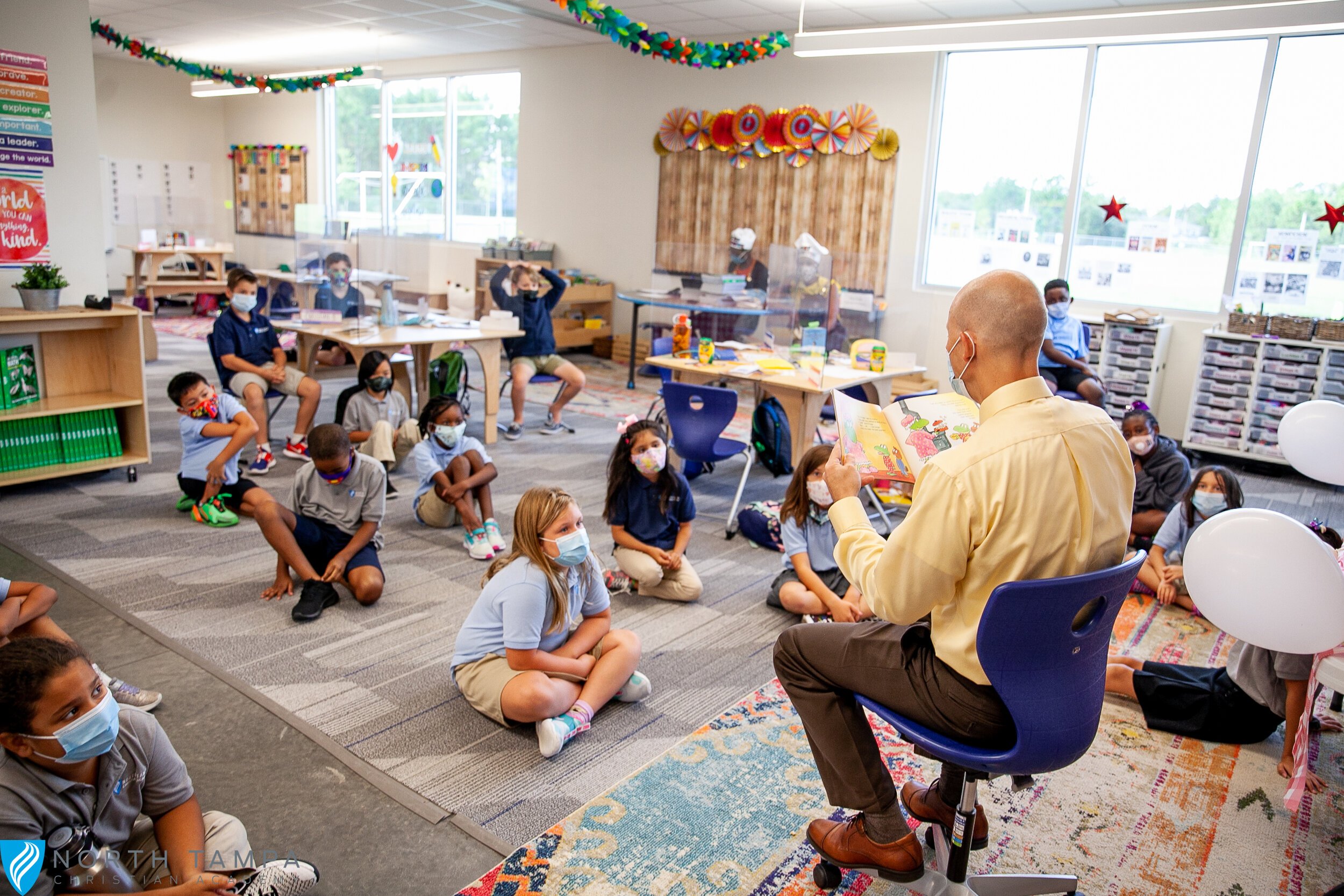
Why Your Child Should Start Journaling

Journaling benefits people of all ages, but it can especially help children, who are learning how to express themselves as they go through life. Every day, your child will have new experiences, and writing them down can make them easier to process. This isn’t the only benefit to journaling. By writing every day, your child will naturally see improvement in their reading and writing skills. Here are a few of the main ways journaling can help your child thrive.

Provides an Outlet

Everyone needs an outlet. The problems children and teens have may seem small to adults who have gone through them already, but they weren’t small at the time. While your child may tell you about some of what they’re going through, it’s unlikely that they’re telling you everything. Through daily journaling, your child can have a healthy outlet to write things down and process their feelings about what they’re going through. This can be especially helpful as your child experiences things like heartbreak, loss and not getting their way for the first time. This will also help them develop their reading and writing skills. 

Builds Writing Skills

Reading and writing are valuable skills that can always be improved. Children who write on a daily basis make small improvements every day, which adds up over time. This won’t only affect their reading and writing skills; it could also help with penmanship, something that’s a struggle for many children. Whether your child is writing based on prompts or venting about their day, daily journal writing provides academic benefits. One of these benefits is the power of observation. 

Improves Observation Abilities

The world is a big place, especially for children, whose worlds are expanded constantly as they learn and grow. However, some children find it difficult to tune in to what’s going on around them. Journaling can help with that. The more children write about their own lives, the more they’ll find themselves thinking about others and their perspectives. When journaling becomes a daily habit, they may need to rack their brains occasionally to think about what’s new in their lives. This helps them develop another important skill: creativity. 

Promotes Creativity

No matter what your child writes about in their journal, whether it’s facts or fiction, daily writing will involve some level of creativity. Once they get into the habit of writing new entries every day, they’ll find it easier to come up with new ideas. Creative writing may not become their favorite subject, but it will be a valuable skill to use in life. While they’re building their academic skills, the increase in creativity will help make life more fun. 

At North Tampa Christian Academy, a Tampa private school, students thrive creatively, academically and spiritually in a project-based learning environment. Faculty and families work together to inspire leadership through Christian innovation. Contact us today to learn more.

Academic Benefits of Faith-Based Education

Faith-based education helps students thrive in many ways. They go to school in a positive environment surrounded by adults who care. This helps them on a spiritual level because they spend their days focused on faith. Mentally and emotionally, children at Christian schools have an easier time feeling supported and supporting others. This type of education also leads to academic success. Here’s how:

Smaller Class Sizes

Being in a small class benefits teachers and students alike. Teachers are empowered to teach without the distractions of a large classroom. Students who may end up lost in the shuffle in a public school setting feel like they can ask questions when needed. Having a low student-teacher ratio allows students to receive more individualized attention, which also gives them space to build relationships with other students and their teachers.

Relationship with Teachers

At Christian schools, teachers dedicate class time to discussing faith. This allows children of faith to feel more connected with their teachers and to speak with them on a deeper level. Many students at Christian schools consider relationships with their teachers to be an important part of their educational experience. This makes it so students are more likely to ask their teachers for support if they’re struggling and get back on track. 

Positive Role Models

Every teacher at a Christian school is committed to helping students feel like they are beloved children of God. Christian school students often have several positive role models at school, from teachers and faculty to faith-focused staff like ministry directors. With so many people to look up to, it’s easier for students to feel motivated to achieve their academic goals. 

Hopeful Environment

For some students, doing their best academically is a major source of stress. Pressure from parents, teachers and themselves can become unbearable. Christian schools create a hopeful environment for students, which helps them focus on their goals. Faith-based activities throughout the day keep children hopeful about their future, which makes the stressful things that come up easier to handle. With less outside stress, academic challenges become easier to handle.

At North Tampa Christian Academy, a Tampa private school, students thrive creatively, academically and spiritually in a project-based learning environment. Faculty and families work together to inspire leadership through Christian innovation. Contact us today to learn more.

How to Cope with Back-to-School Anxiety

A new school year will be starting soon, and for many students, that means exciting times are ahead. For some, however, the thought of a new school year brings anxiety. Children worry about their new teachers, new classes and the children they’ll meet. Will people like them? Will they do well in school? These thoughts can become overwhelming for children, especially after a fun summer vacation. Here’s how you can help. 

See How You Feel

Before you start trying to solve your child’s problems, you need to take a look at how you’re feeling. While your child needs to get back into a school routine, it’s your responsibility to set that routine and hold them accountable. You may also have concerns about sending them back to school after they’ve been around all summer. This can be stressful, and you need to make sure you’re not passing this stress along to your child. 

Listen to Your Child

The most important way to help your child deal with stress is by listening to what they have to say. Listen to any concerns they have, and do what you can to alleviate those worries. This may mean doing research in situations where you both don’t know the answer. In some cases, listening and providing advice and insight is enough. You’ll never know unless you ask and listen. 

Practice Your Routine

If your child is nervous about going to a new grade with a new teacher and facing new challenges, start their daily routine earlier. Your child can become more grounded when they get used to what will be the same every day of the school year. The more they practice ahead of time, the more confident they will be when school starts for real. As the school year gets closer, if they live near the school, consider driving by with your child so they’ll feel more prepared to go back.

Have Your Child’s Back

When entering a new grade or a new school, your child may worry that they won’t make friends or  that they’ll be bullied. This is a real possibility that you need to consider. Take time to build up your child’s self-esteem, especially if you notice that they’re insecure. Reassure them that you’ll be there if something happens and that they can and should talk to you if it does. Make yourself available to be a trusted advisor. 

Going back to school can be fun and exciting — and anxiety-inducing. At North Tampa Christian Academy, a Tampa private school, students thrive creatively, academically and spiritually in a project-based learning environment. Faculty and families work together to inspire leadership through Christian innovation. Contact us today to learn more.